
Reviewed · FLORENCE TOURS
Florence: Leonardo Interactive Museum Entry Ticket
Leonardo’s sketches come to life here as working models you can handle, test, and puzzle over. I like two things in particular: you learn by doing, not just reading labels, and the exhibits make engineering ideas from more than 500 years ago feel surprisingly close at hand.
One consideration: this is a self-guided museum, not a live tour, so you set the pace and use your phone for the audio guide. That freedom suits curious visitors, but you will need your own earphones and a charged phone if you want to listen.
Key points to know before you go
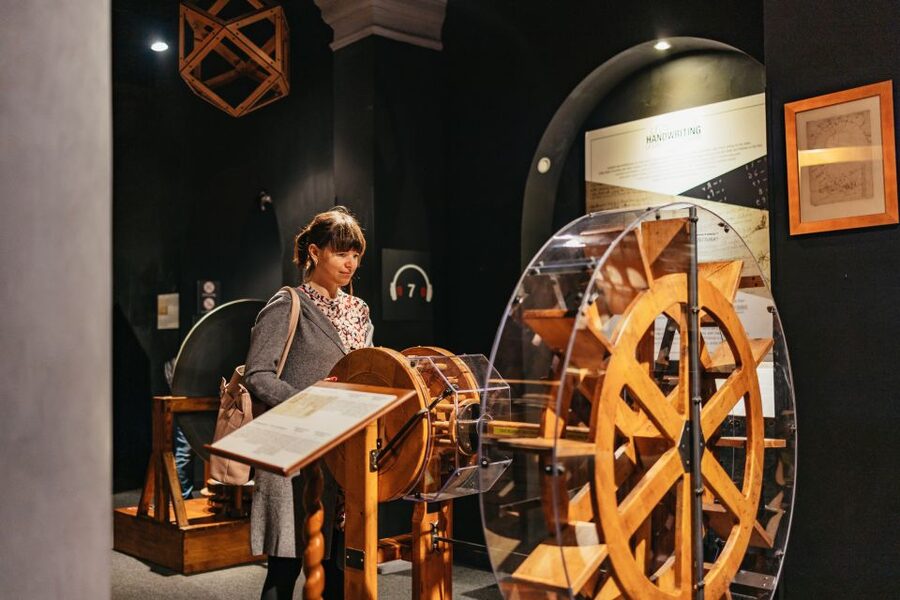
- Try the machines yourself: Models include a tank, catapult, printing press, hydraulic saw, and several screw mechanisms.
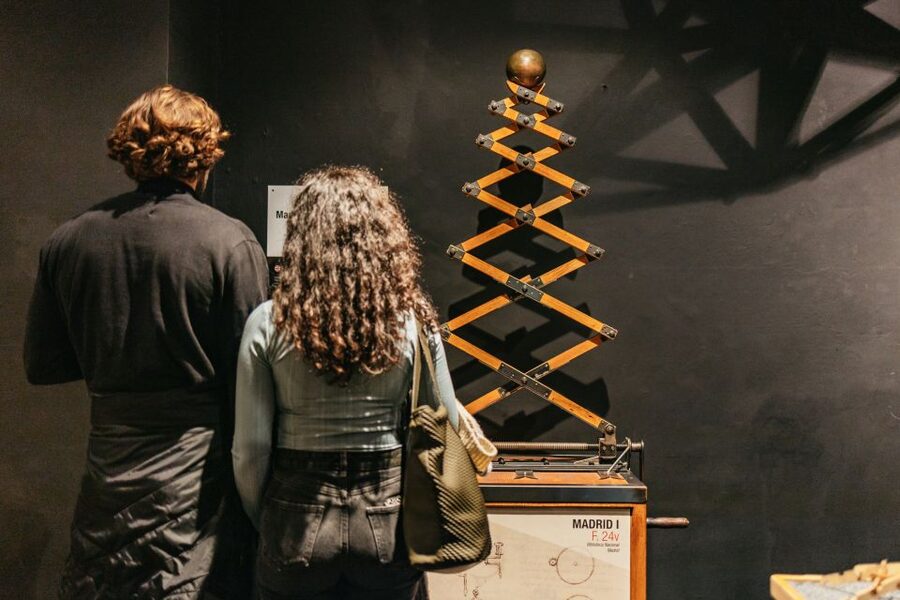
- Make time for the building activities: You can work with bridge, dome, and polyhedron designs, not just look at finished models.
- Allow about an hour: The stated visit time is one hour, though hands-on exhibits can keep you busy longer.
- Expect a self-guided visit: A smartphone audio guide is available in Italian, English, French, Spanish, German, and Portuguese. Earphones are not included.
- Check the entrance carefully: The museum is near the Accademia Gallery and Duomo, but signs nearby can point to another location.
- It suits curious adults and children: The museum is recommended for ages 7 or 8 and up, with machines to test and puzzles to solve.
Leonardo’s ideas, rebuilt for curious hands
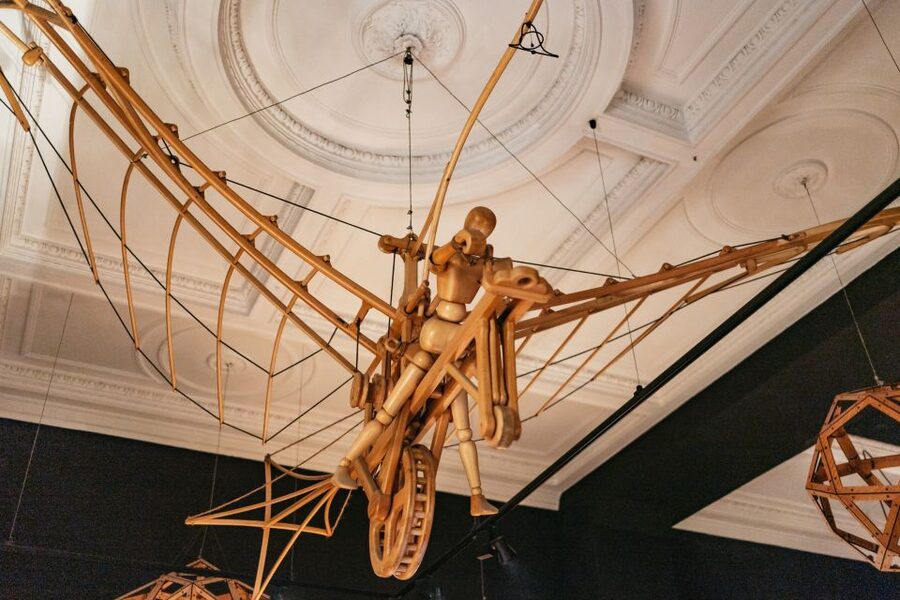
Florence is full of places where you are asked to look closely and keep your hands to yourself. This museum offers a welcome change of pace. Its subject is Leonardo da Vinci, but its main appeal is not a long line of paintings or a lecture about the Renaissance. It is the chance to see how an idea works by trying a model yourself.
The machines are based on designs Leonardo drew in his codices. Those notebooks covered subjects ranging from engineering and physics to anatomy and painting. Here, you can operate models inspired by that work and think through the practical questions behind them: How does a mechanism transfer force? What makes a structure hold together? What happens when a design is put to use?
That hands-on element is the reason I would consider this museum even if you are not usually drawn to museums. You do not need specialist knowledge to take part. The exhibits invite you to turn, move, test, and compare, making Leonardo’s curiosity easier to understand than it might be from a wall of text alone.
The museum has been open in central Florence for more than 20 years. It is a compact stop rather than a major art collection, and that is part of its usefulness. You can fit it into a day of sightseeing without giving up half a day, while still getting a different view of a figure often known mainly for his paintings.
More museum visits in Florence:
- Florence: Skip-The-Line Uffizi Gallery Timed Entry Ticket
★ 4.5 · 27,832 reviews - Florence Accademia Gallery Tour with Entrance Ticket Included
★ 4.5 · 6,148 reviews - Uffizi Gallery Small Group Tour with Guide
★ 4.5 · 4,923 reviews
Starting near the Duomo and Accademia Gallery
The museum entrance is a short walk from both the Duomo and the Accademia Gallery, making it easy to add between larger sights. Its location is practical if you are already exploring central Florence on foot.
Do pay attention when you arrive. There are two museums with very similar names, and signs in the area can be misleading. If you are coming from the Duomo, the red vertical advertisement with the words Da Vinci Museum and arrows to the right does not lead to this museum’s entrance. Use the address and entrance information attached to your booking rather than relying on those signs.
Tickets are sold online, with a date and time chosen in advance. That arrangement is intended to help avoid queues at the entrance. It also means you should check your selected time before setting out, especially if you are fitting the visit between other appointments.
An hour spent testing Leonardo’s machines
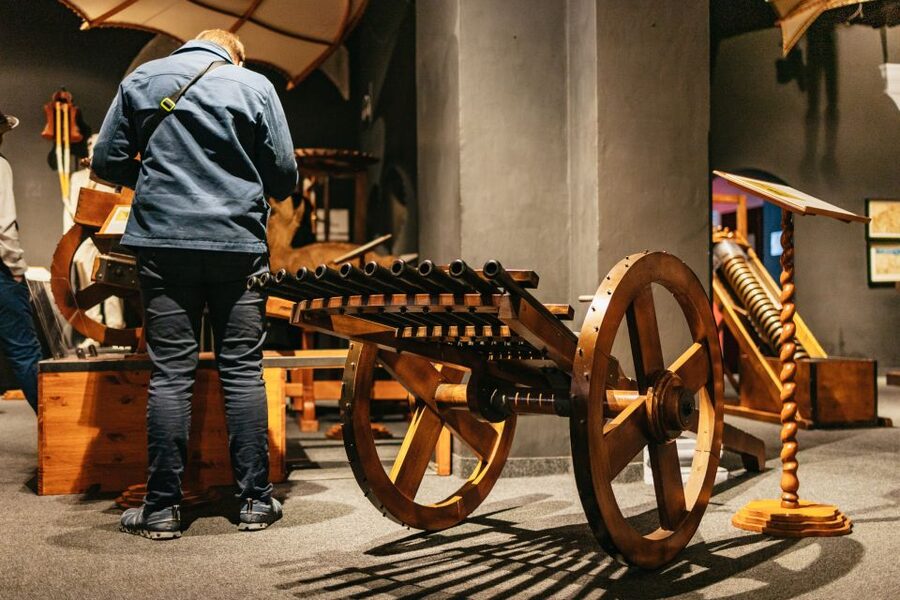
There is no fixed guided route described for this visit. You explore at your own pace, which means your experience depends on what catches your attention. If you like to read every explanation and try each model, plan to give yourself more than the stated hour when your schedule allows.
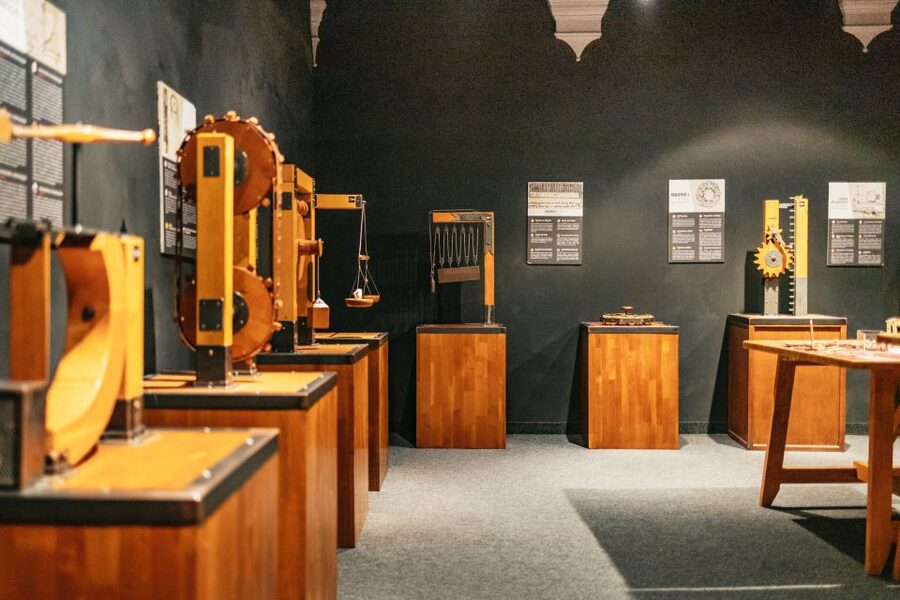
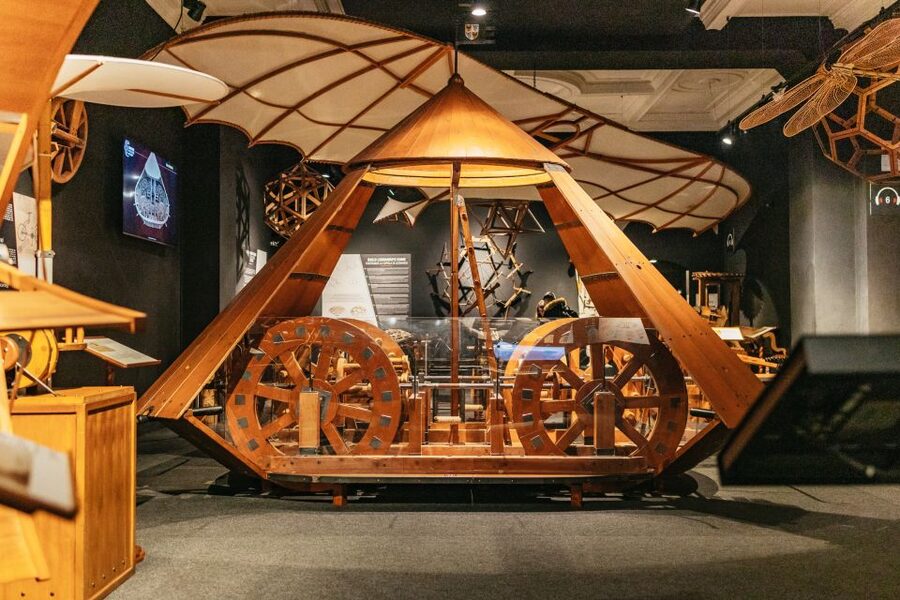
The machines are the heart of the visit. Among the models you can try are a tank, a catapult, a worm screw, a vertical screw, a hydraulic saw, and a printing press. These are not simply objects behind glass. The point is to handle them carefully and see how the mechanisms operate.
That distinction matters. A drawing can show what Leonardo imagined, but a working model gives you a more immediate sense of how an idea might function. You can move parts, test a mechanism, and see the result. The models turn the visit into a sequence of small experiments rather than a passive walk past displays.
You are asked to use the machines with caution. That is sensible: these are interactive exhibits, not toys to pull at without thought. If you are visiting with children, help them follow the instructions and take turns where needed. The chance to touch the exhibits is a treat, but careful use keeps the experience enjoyable for everyone.
The museum also includes activities involving bridges, domes, and polyhedrons. These offer a different kind of interaction from operating a machine. Instead of testing a finished mechanism, you can work with the shapes and structures behind an idea. For children, that hands-on challenge can be a welcome break from the usual museum rule of not touching anything.
What the models reveal about Leonardo
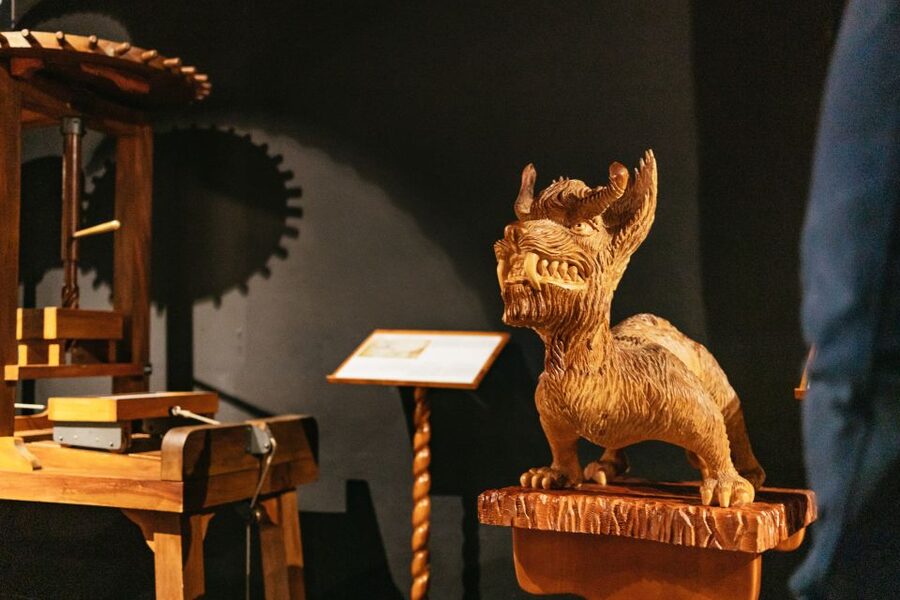
A visit here works best when you look beyond the spectacle of a machine moving. The larger pleasure is noticing the range of problems Leonardo tried to solve. His studies included engineering and physics, but also anatomy and painting. That breadth helps explain why his inventions can feel connected to the rest of his work rather than like a separate collection of curiosities.
The displays make a useful point about historical design: an idea can remain relevant long after the person who drew it is gone. The museum presents models based on designs from Leonardo’s codices and shows how many of those ideas still have a relationship to the way machines and structures work today.
You do not need to leave with a detailed understanding of every invention. Even a short visit can prompt a good question: What did Leonardo notice about motion, materials, or human needs that led him to draw this? That is where the museum offers more than a bit of mechanical fun. It encourages you to see the Renaissance as a period of observation and experiment as well as art.
Information about Leonardo’s paintings is also part of the experience, so the visit is not limited to engineering. Still, if your main goal is to study his artworks in depth, this is not a substitute for an art museum. Think of it as a lively introduction to the inventor and thinker behind the famous name.
More tickets in Florence:
- Florence: Timed Entrance Ticket to Michelangelo’s David
★ 4.6 · 16,983 reviews - Florence: Michelangelo’s David Skip-the-Line Entry Ticket
★ 4.5 · 12,764 reviews - Florence: Cathedral & Brunelleschi’s Dome Ticket & Audio App
★ 4.4 · 6,973 reviews - Florence: Michelangelo’s David Priority Ticket & Audio App
★ 4.4 · 6,812 reviews
A good change of pace for families and teens
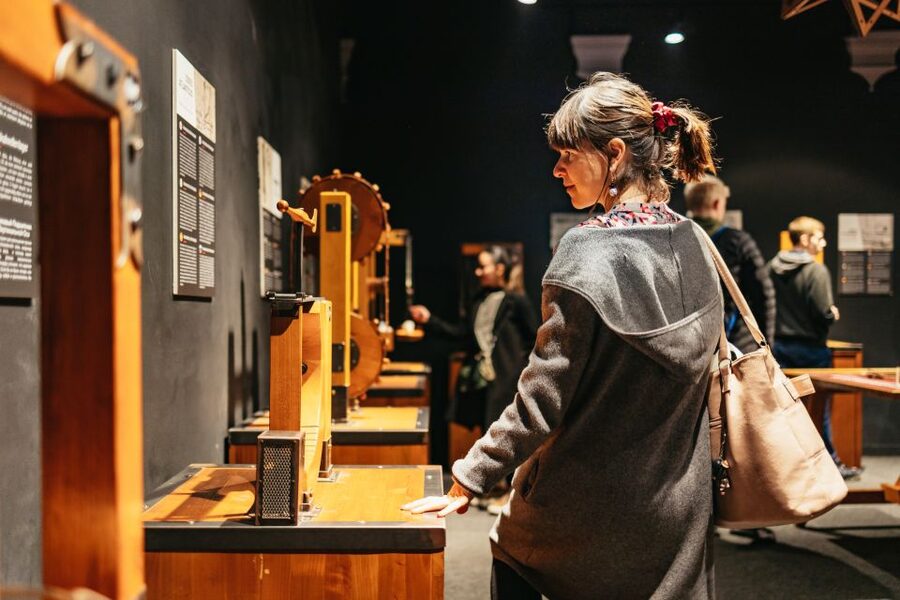
The museum is recommended for visitors aged 7 or 8 and older. That guidance makes sense: the models and puzzles are most rewarding when a child is ready to follow instructions and think through how a mechanism works. Younger children may still enjoy the tactile displays, but the experience is designed with older children in mind.
For families, the biggest advantage is simple: children can do something. After hours of being told not to touch paintings and sculptures, being allowed to operate a model can reset everyone’s mood. It gives adults a chance to discuss how the machines work without turning the outing into a lesson that feels like homework.
Teenagers can find plenty to engage with too, especially if they like engineering, design, or problem-solving. The models make Leonardo’s drawings feel less remote, and the range of subjects gives older children room to connect the inventions to their own interests. Adults who enjoy art, science, or the history of ideas can get as much from the visit as the younger members of the group.
This is also a useful stop for anyone who wants something different from Florence’s churches, galleries, and grand buildings. It does not replace those major sights, but it gives you a change of rhythm and a more tactile way to think about the city’s Renaissance legacy.
A self-guided visit with phone audio
Your ticket includes an audio guide that you listen to on your smartphone. It is available in Italian, English, French, Spanish, German, and Portuguese. Bring your own earphones if you want to use it, since the audio is intended to be heard through your phone and earphones are not listed as included.
There is no live guide. That means you do not have to keep pace with a group or follow a set schedule through the rooms. You can pause at a machine that interests you and move on when you are ready. The trade-off is that you are responsible for choosing how much context to take in.
Free Wi-Fi is included, which is useful if you need an internet connection while inside. Even so, I would arrive with your phone charged and earphones ready. That small bit of preparation makes it easier to use the audio guide without interrupting your visit.
How much time and money to set aside

The ticket costs $9 per person, and the stated duration is one hour. For a central Florence attraction with working models you can operate, that is a modest price, especially if you take time to test the exhibits rather than rush through them.
The value depends on your interests. If you want an expansive art collection or a live expert guide, this is not the right ticket. If you are curious about Leonardo’s inventions, travelling with children, or simply looking for an active hour between major sights, the admission buys more than a quick glance at displays.
One hour is a reasonable starting point, but some visitors spend 90 minutes or more when they are absorbed in the machines and puzzles. If you have a tight schedule, set a limit and choose the exhibits that interest you most. If your day is flexible, give yourself room to linger.
The ticket includes entrance, the smartphone audio guide, and free Wi-Fi. It does not include a live guide. You can reserve now and pay later, and cancellation is free up to 24 hours before the visit for a full refund. Check availability for the start times offered on your chosen date.
Who should book this Florence museum?
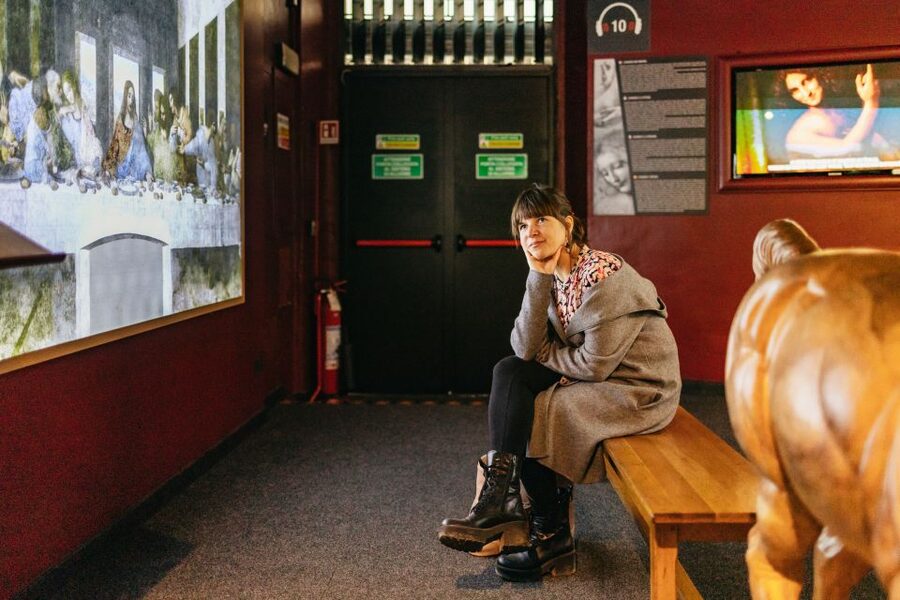
I would put this museum high on the list for families with school-age children, engineering-minded visitors, and anyone who wants to meet Leonardo through his designs rather than only his paintings. It is also a sensible short stop if you are already near the Duomo or Accademia Gallery and want a hands-on activity.
It may be less satisfying if you expect a formal guided tour, a large collection of original works, or a quiet museum built around looking. The models are the main attraction, and the visit is self-directed. Go with curiosity and a willingness to try things, and the format makes sense.
For many people, that is the right balance: a central location, a reasonable ticket price, and exhibits that invite you to take part. Book it if you want a practical, playful look at Leonardo’s thinking. Skip it if your Florence itinerary is already packed with art museums and you have little interest in interactive displays.
FAQ
How long does a visit take?
The stated duration is one hour. You may want to allow longer if you plan to test many of the machines and work on the building activities.
What can I try inside the museum?
You can operate models based on Leonardo’s codices, including a tank, catapult, worm screw, vertical screw, hydraulic saw, and printing press. There are also activities involving bridges, domes, and polyhedrons.
Is the museum suitable for children?
It is recommended for visitors aged 7 or 8 and older. Children can try the machines and solve puzzles, using the exhibits with care.
Is a live guide included?
No. The visit is self-guided, and a smartphone audio guide is included.
Which languages are available for the audio guide?
The audio guide is available in Italian, English, French, Spanish, German, and Portuguese.
Do I need to bring earphones?
Bring your own earphones if you want to listen to the audio guide on your smartphone. Earphones are not listed as included.
Where is the museum entrance?
The entrance is a short walk from the Accademia Gallery and the Duomo in central Florence. If coming from the Duomo, do not follow the red vertical Da Vinci Museum advertisement with arrows to the right, as it does not lead to this entrance.
Can I cancel my ticket?
Yes. You can cancel up to 24 hours in advance for a full refund.
Fresh reviews from Florence
- From Florence: Explore Venice in a Full Day Tour by Train★ 4.1 · 9 reviews
- From Florence to Venice: A Day Trip to the Floating City★ 4.5 · 90 reviews
- Private Tour from Florence: Venice Full Day Tour by Train★ 3.5 · 8 reviews
- Skip the Line: Medici Chapels Ticket in Florence★ 3.5 · 58 reviews
- Private Pisa and Lucca Wine Tour from Florence★ 5.0 · 25 reviews
- Florence: Private Photoshoot at Piazzale Michelangelo★ 4.9 · 74 reviews
- Outlets: The Mall Tour From Florence★ 4.9 · 6 reviews
- Private Coffee and Sweets Tour Caffé, Chocolate, Gelato & More★ 5.0 · 20 reviews
Florence Tours, compared.

Skip-The-Line Uffizi Gallery Timed Entry Ticket
Read our review →
Tuscany Day Trip from Florence: Siena, San Gimignano, Pisa and Lunch at a Winery
Read our review →
Timed Entrance Ticket to Michelangelo’s David
Read our review →
Michelangelo’s David Skip-the-Line Entry Ticket
Read our review →
The Best tour in Florence: Renaissance & Medici Tales – guided by a STORYTELLER
Read our review →
Pisa, Siena and San Gimignano Day Trip with Lunch
Read our review →
Cinque Terre Day Trip with Optional Hiking or Pisa
Read our review →Browse the lists this tour appears in