

Reviewed · FLORENCE TOURS
Medici Dynasty History Museum Ticket
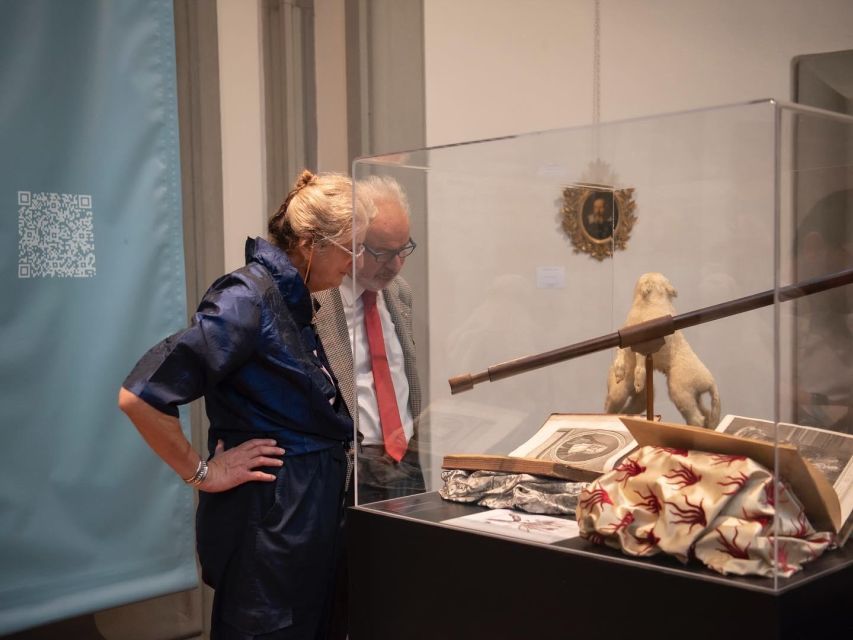
The most intriguing part of this visit is that you get two kinds of history in one place: the Medici family’s rise and legacy, and the story of Brunelleschi’s unfinished Rotonda, begun in 1437 and left incomplete for five centuries. Inside, the museum brings together art, documents, relics, reconstructions, and multimedia displays.
I like the mix of original objects and modern interpretation, which can help make a sprawling dynasty easier to follow. I also like that the visit includes the winter garden, a small but telling way into the Medici interest in botany.
One caution: a dated booking account describes arriving to find the museum closed, despite being able to buy a ticket for that day. Check that the museum is open on your chosen date before booking, and do not assume a ticket alone guarantees the doors will be open.
What to know before you go
- The Rotonda is part of the story: Brunelleschi began this centrally planned building in 1437. It remained unfinished for 500 years.
- The Medici story spans generations: The exhibits follow the dynasty from Lorenzo the Magnificent to the Electress Palatine.
- Displays mix old and new: Expect antiquities, artworks, historical documents, faithful reconstructions, holograms, and multimedia installations.
- The winter garden adds another angle: It connects the family’s legacy with its interest in botany.
- The ticket includes temporary art exhibitions: These may add another layer to your visit, though their subjects are not specified.
- The ticket is valid for two months: That is the validity period, not the time you should expect to spend inside.
A Medici museum inside Brunelleschi’s Rotonda
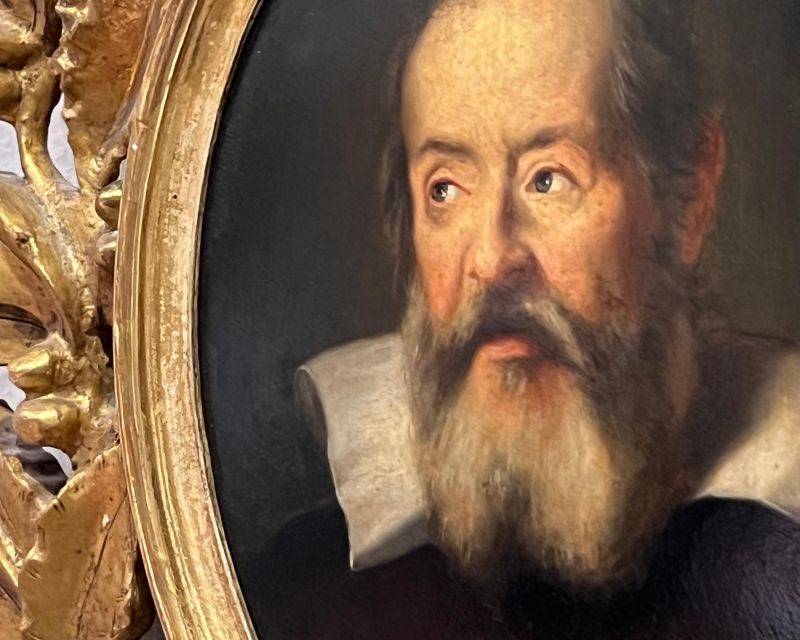
Florence is full of Medici traces, but this museum gives the dynasty a dedicated home. Museo de’ Medici occupies the Rotonda Brunelleschi, an unusual building designed and begun by Filippo Brunelleschi, the celebrated Renaissance architect. The setting is not a neutral box for exhibits. Its own past is part of what you come to understand.
The Rotonda was modeled on the Roman Pantheon and was intended as part of one of the era’s most important humanist libraries. Cosimo the Elder, Lorenzo the Magnificent, and Pope Leo X were among those associated with the library. The building’s long, interrupted history gives you a useful counterpoint to the family’s story: the Medici project of cultural patronage was ambitious, but not every plan reached completion.
Brunelleschi began work in 1437. The Rotonda then stood unfinished for five centuries. Later, Cosimo I, Grand Duke of Tuscany, wanted it to become the first home of the Academy of Arts and of Drawing. In the nineteenth century, sculptor Enrico Pazzi made the famous statue of Dante now found in Piazza Santa Croce. After twenty years closed to the public, the Rotonda reopened and became home to Museo de’ Medici’s collections.
That history matters when you visit. You are not simply stepping into a room about powerful rulers. You are entering a building whose intended uses changed over time, shaped by the same civic and cultural currents that made Florence a center of Renaissance life.
More museum visits in Florence:
- Florence: Skip-The-Line Uffizi Gallery Timed Entry Ticket
★ 4.5 · 27,832 reviews - Florence: Leonardo Interactive Museum Entry Ticket
★ 4.5 · 11,763 reviews - Florence Accademia Gallery Tour with Entrance Ticket Included
★ 4.5 · 6,148 reviews
Following the dynasty from Lorenzo to the Electress Palatine
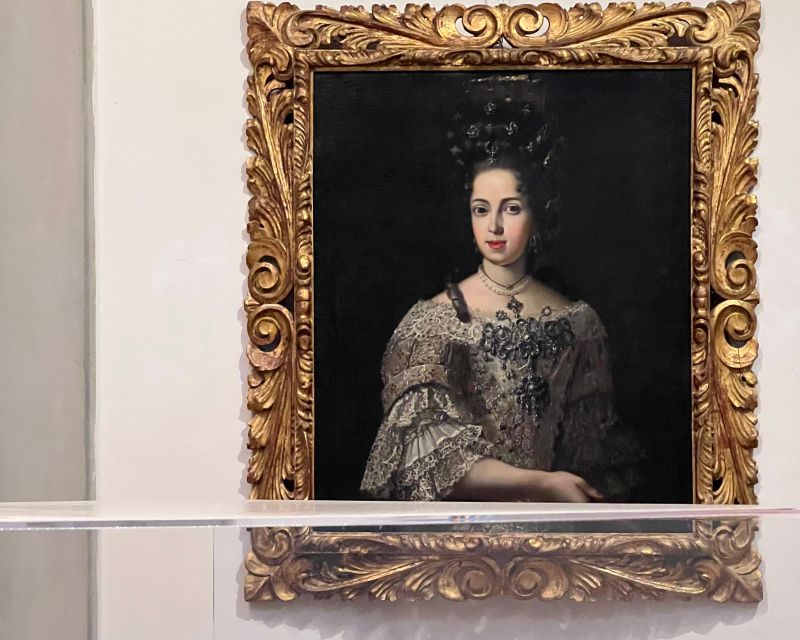
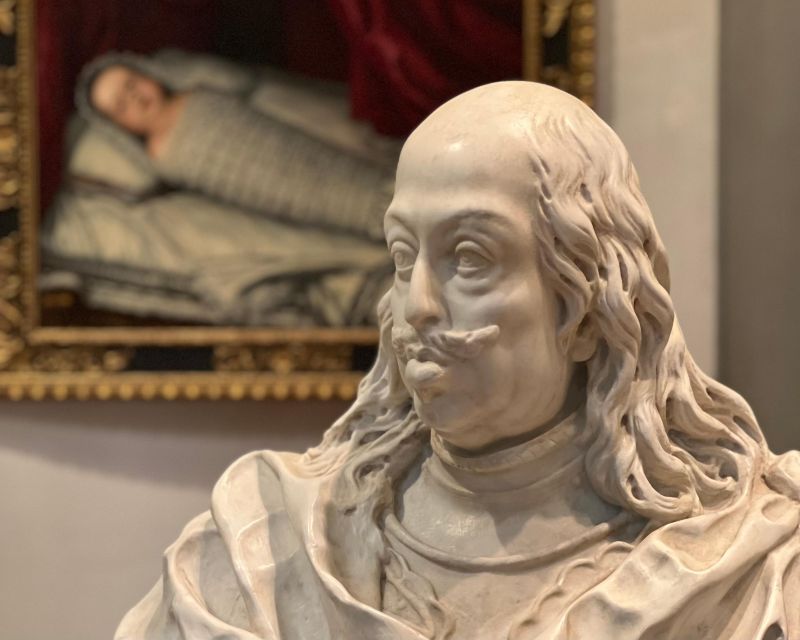
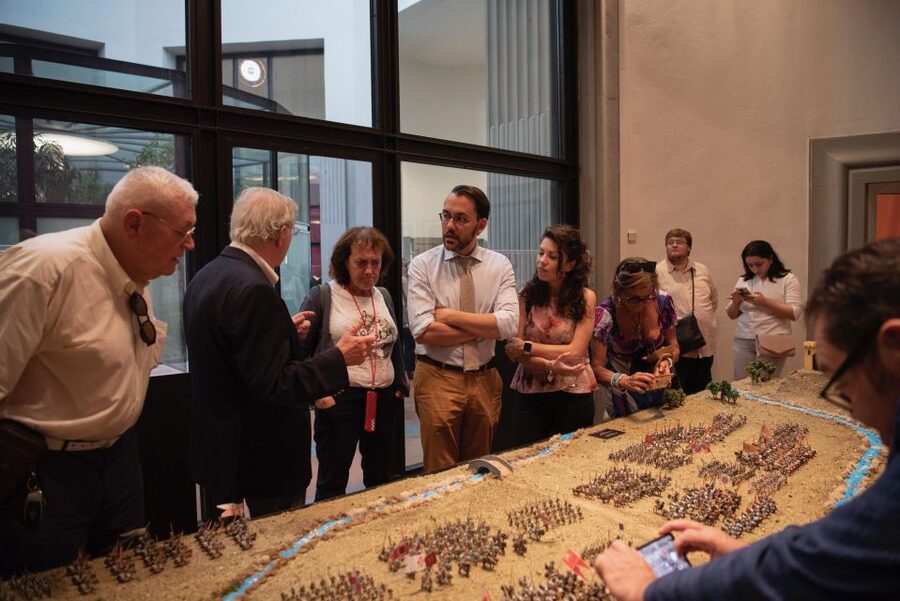
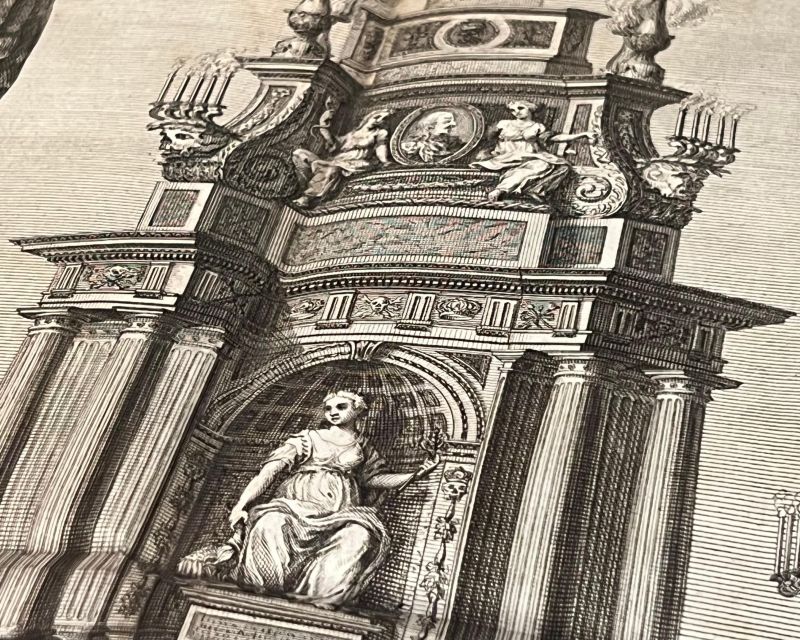
The museum presents the Medici story through several kinds of material rather than relying on a single display format. You can expect precious art collections, historic relics, original documents, and faithful reconstructions, alongside holograms and multimedia installations. Together, these offer a way to approach a family whose influence stretched across generations and whose legacy can otherwise feel like a long list of names and titles.
Lorenzo the Magnificent is one of the key figures to keep in mind. The exhibits also carry the story through to the Electress Palatine, giving the visit a broader time span than a display focused only on Florence’s best-known Renaissance rulers. The museum’s stated aim is to preserve and pass on the memory of Casa Medici, and that family focus is its main appeal.
If you already know a little about the dynasty, look for the links between personal stories and public power. If you are new to the subject, the range of display types may help you find an entry point. A document can suggest how the family recorded its affairs; an artifact can make a period feel less abstract; a reconstruction or multimedia feature can help connect the pieces.
The museum highlights anecdotes and curiosities about Tuscany’s rulers, too. That approach can be a welcome change from a parade of dates and formal portraits. Still, the available details do not specify which stories appear in the galleries, so it is best to arrive ready to explore rather than expecting a particular tale or named exhibit.
Antiquities, holograms, and documents in the same visit
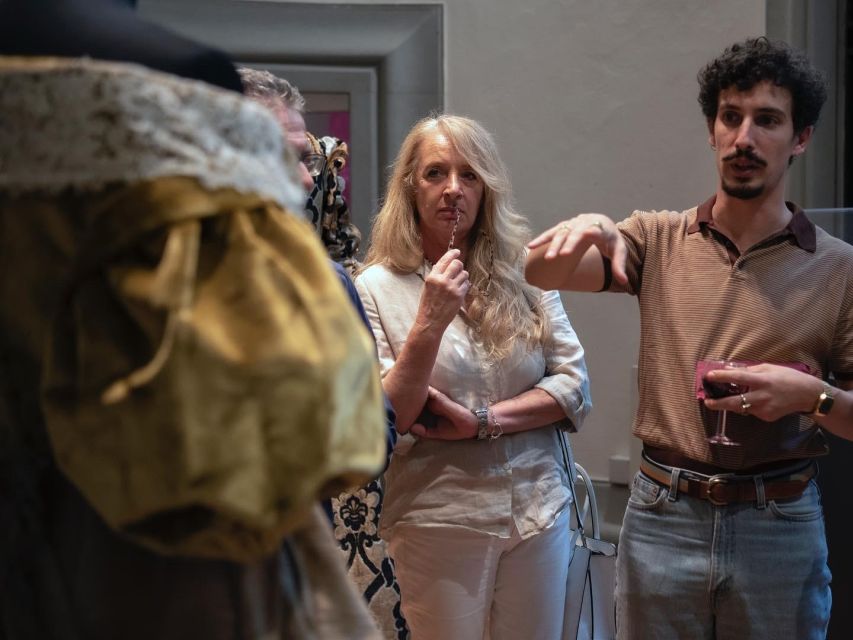
The combination of historical objects and digital interpretation is one of the more practical features here. A document or antique can be compelling, but it may not explain itself. Multimedia installations and holograms can offer another way to follow the subject, especially if you are visiting with someone who prefers a more visual presentation.
The format also means the museum is not limited to one kind of visitor. You can move between physical objects and interpretive displays, taking in the Medici story through different forms. That variety is useful if you are travelling with family or with a companion whose interest in dynastic history is less certain than yours.
At the same time, do not assume that a multimedia feature replaces context. The information provided does not specify the length or structure of any presentation, nor does it say that a guided tour is included. The ticket description lists a host or greeter and gives English and Italian as the available languages. It does not name a guide or promise a lecture. If you want a detailed explanation, check what support is available for your date before you go.
Temporary art exhibitions are included with the ticket, another possible bonus. Their subjects can change, so they may complement the Medici displays or take a different direction. Treat them as an extra rather than the central reason to book unless you have confirmed what is showing during your visit.
The winter garden and the Medici interest in plants
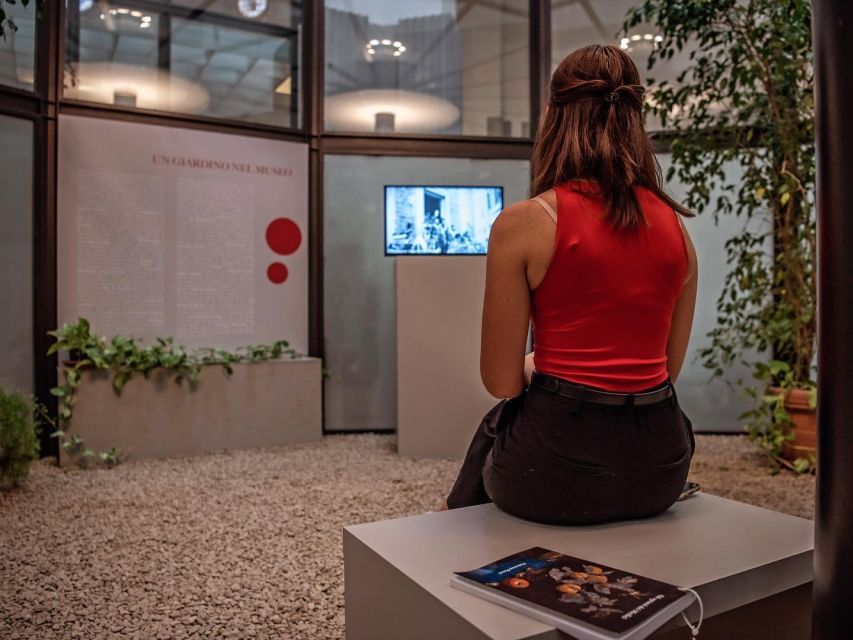
The winter garden is a quieter part of the experience, but it adds useful texture to a visit centered on political power and art. The museum points to the Medici love of botany, giving you a chance to consider another side of the family’s interests. Plants and gardens can tell a story about taste, study, and status as much as a portrait or palace can.
The details available do not describe the garden’s size, its plant collection, or whether it is open year-round. So keep expectations measured: think of it as a feature that rounds out the museum, not necessarily a large botanical collection or a separate garden attraction. If botany is a special interest, check current details before making it the main reason for your visit.
For most people, the garden works best as part of the whole. It makes the Medici story feel less confined to court politics and cultural patronage. Even a brief look can help you imagine the range of interests attached to a dynasty remembered for its impact on Florence.
More history tours in Florence:
- Tipsy Tour: Guided Bar Crawl In Florence with Dark History
★ 5.0 · 271 reviews - Florence Cooking Course with Historic Local Market Visit
★ 4.5 · 151 reviews - Florence: Medici Family History Tour
★ 4.3 · 93 reviews
How the ticket’s value adds up
At $14 per person, this is a focused museum visit rather than a full-day attraction. The value rests on the unusual combination of the Medici collections and the Rotonda itself. You are paying to see a dynasty-focused museum in a Renaissance building with a story of its own, with temporary art exhibitions included as well.
That makes the ticket more appealing if you have an interest in Florence’s ruling family, Renaissance architecture, or both. If you are mainly seeking a broad survey of Florence’s art, this museum has a narrower purpose. It is designed around one dynasty, and its appeal depends on whether that subject interests you.
The ticket is described as valid for two months, which gives you flexibility to plan within that window. It is not a two-month visit duration. You can reserve now and pay later, and cancellation is available up to 24 hours in advance for a full refund. The ticket also advertises skip-the-ticket-line entry. Those terms can make planning easier, but they do not remove the need to confirm that the museum is open on your chosen day.
That last point deserves attention. A booking made for January 2, 2026, was associated with a day the museum was closed, and the buyer reported difficulty finding a way to request a refund. One account does not establish how often this happens, but it is a concrete reason to verify opening information rather than relying only on an available booking time. The overall rating is 4 out of 5 from 128 reviews, but the information here does not identify specific aspects that visitors praise most.
Who will get the most from this visit
I would put this museum high on the list if you want to understand the Medici as a family rather than just spot their name on Florence’s monuments. The focused subject gives you a chance to follow the dynasty from Lorenzo the Magnificent to the Electress Palatine, while the Rotonda adds architecture and civic history to the visit.
It may also suit you if you enjoy museums that mix objects with digital interpretation. The combination of antiquities, documents, reconstructions, holograms, and multimedia gives you several ways into the material. The winter garden may be a welcome pause and a reminder that the family’s interests extended beyond politics and art.
You may want to choose another stop if your time is tight and you are not especially interested in the Medici. The museum’s appeal is specific, not universal. It is also worth checking opening information directly before you commit, especially if you are visiting on a date when your schedule cannot easily change.
Should you book the Medici Dynasty History Museum?
Book it if the Medici story interests you and you want to pair it with a look at Brunelleschi’s remarkable, unfinished Rotonda. At $14, the combination of the building, family collections, multimedia displays, winter garden, and temporary exhibitions offers a clear reason to visit.
If you are undecided, use your interest in the dynasty as the test. This is a focused museum, not a general introduction to all of Florence. And before you pay, confirm that Museo de’ Medici will be open on your date. That simple check matters more here than any promise of flexible booking.
FAQ
Where is Museo de’ Medici?
It is in Florence, Tuscany, inside the Rotonda Brunelleschi.
How much does a ticket cost?
The listed price is $14 per person.
How long is the ticket valid?
The ticket is valid for two months. This refers to its validity period, not the length of a visit.
What does the ticket include?
It includes entry to Museo de’ Medici and temporary art exhibitions.
What languages are available?
English and Italian are listed for the host or greeter.
Does the ticket offer skip-the-line entry?
Yes. Skip-the-ticket-line entry is listed as a feature.
Can I cancel for a refund?
Yes. You can cancel up to 24 hours in advance for a full refund.
Can I reserve without paying right away?
Yes. The reserve-now, pay-later option lets you book without paying at the time of reservation.
Fresh reviews from Florence
- From Florence: Explore Venice in a Full Day Tour by Train★ 4.1 · 9 reviews
- From Florence to Venice: A Day Trip to the Floating City★ 4.5 · 90 reviews
- Private Tour from Florence: Venice Full Day Tour by Train★ 3.5 · 8 reviews
- Skip the Line: Medici Chapels Ticket in Florence★ 3.5 · 58 reviews
- Private Pisa and Lucca Wine Tour from Florence★ 5.0 · 25 reviews
- Guided Shopping in Florence★ 5.0 · 12 reviews
- Pizza Making Private Class with Wine Tasting★ 5.0 · 3 reviews
- Luxury Shopping Experience: Private Chauffeur to The Mall & Prada★ 5.0 · 10 reviews
Florence Tours, compared.
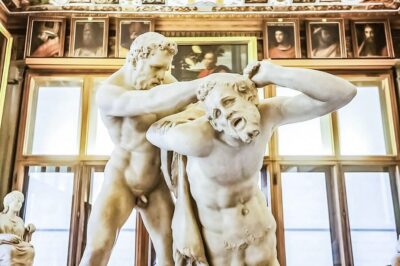
Skip-The-Line Uffizi Gallery Timed Entry Ticket
Read our review →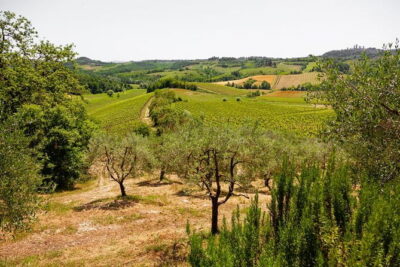
Tuscany Day Trip from Florence: Siena, San Gimignano, Pisa and Lunch at a Winery
Read our review →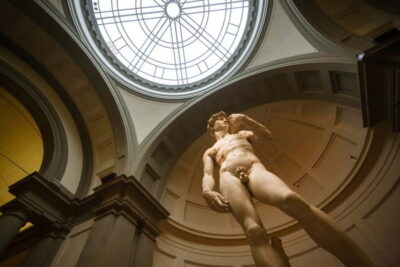
Timed Entrance Ticket to Michelangelo’s David
Read our review →
Michelangelo’s David Skip-the-Line Entry Ticket
Read our review →
The Best tour in Florence: Renaissance & Medici Tales – guided by a STORYTELLER
Read our review →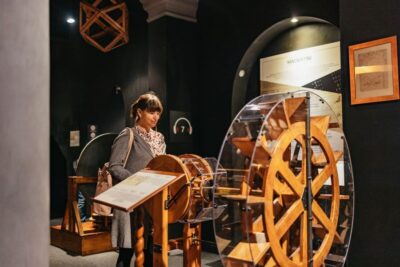

Pisa, Siena and San Gimignano Day Trip with Lunch
Read our review →Browse the lists this tour appears in