
Reviewed · FLORENCE COOKING CLASSES
Authentic Pasta Class in Florence
Florence has plenty to admire from a café table, but this class puts you to work: you mix, knead, cut and fill pasta, then eat what you have made. It’s a good way to turn a meal into a practical lesson, with several pasta shapes and sauces on the menu rather than one recipe done at a distance.
I like two things in particular: you do the cooking yourself, and the class ends with a sit-down meal, wine and recipes to take home. There’s room for useful details, too, such as what the dough should feel like and how to shape ravioli.
One consideration: three and a half hours is a substantial block of an evening, and the class involves a lot of dishes and group work. The published maximum is 15 people, though one detailed account describes a larger class, so ask about the current group size if that matters to you.
What makes this class worth considering
- Three kinds of pasta: Make ravioli, gnocchi and fettuccine, with recipes and sauces that can vary by season.
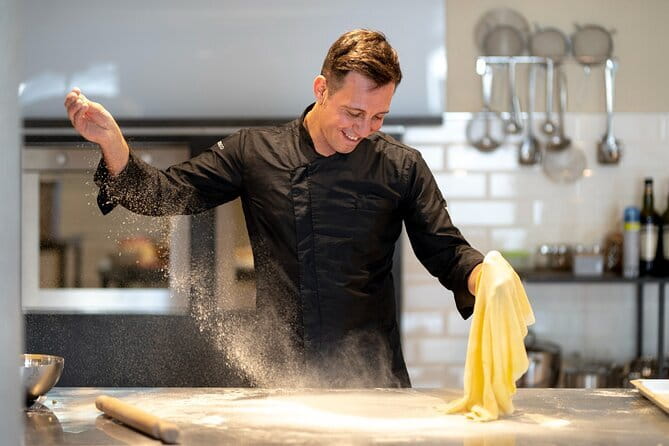
- Hands-on from the start: This is a working class, not a cooking demonstration. You prepare the dough and help make the sauces.
- A meal at the end: The dishes you make are served for a shared dinner, with young Tuscan wine included.
- A Florence kitchen setting: The academy welcomes the group in a room described as dating to the 1700s.
- Take-home recipes: You leave with a booklet covering the class dishes, a useful aid when you try them again at home.
- A small-group format on paper: The stated maximum is 15, though one class account described a larger group. Check if the size is important to you.
Arriving at the academy and settling in
The class meets at Chefactory Cooking Academy, Via Camillo Cavour 178/180/182 Rosso, in Florence. The listed check-in deadline is 4:45 pm. Plan to arrive with time to spare rather than trying to make it at the last minute; the class has several stages, and arriving late could mean missing the welcome and menu explanation.
You begin in a room described as dating from the 1700s. The setting gives the evening a sense of place without asking you to dress up or know anything about Italian cooking. The emphasis is on getting comfortable, meeting the group and understanding what you will prepare.
The experience lasts about three and a half hours and returns to the same meeting point. That makes it a substantial evening activity, not a quick lesson squeezed between museum visits. If you have dinner plans, leave them for another night: the food made in class becomes the meal.
More cooking classes in Florence:
- Florence: Pasta Cooking Class with Unlimited Wine
★ 4.9 · 10,285 reviews - Florence Pizza or Pasta Class with Gelato Making at a Tuscan Farm
★ 5.0 · 6,801 reviews - Florence: Pasta & Tiramisu Cooking Class with Unlimited Wine
★ 4.9 · 6,708 reviews
Understanding the menu before you start
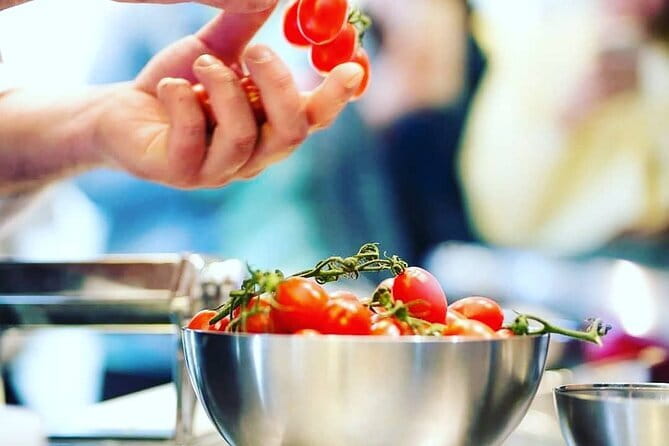
The planned menu covers fresh egg pasta, ravioli, potato gnocchi and fresh pasta made with water, along with three sauces that change according to seasonal ingredients. A dessert is included. That range is part of the appeal: you get to compare different doughs and shapes, rather than learning a single technique and calling it a day.
A sample menu pairs ricotta and spinach ravioli with a butter and sage sauce, potato gnocchi with meat sauce, and fettuccine alla Norma. Other class descriptions list fettuccine with ragù, tomato sauce or another seasonal pairing. Treat the exact dishes and sauces as variable, not guaranteed. The class is built around traditional pasta and seasonal choices, so the menu may not be identical every time.
The dessert can be panna cotta or tiramisù. Some participants describe making panna cotta early in the session so it has time to set. That is a sensible order for a meal that ends with dessert, but the precise sequence may depend on the class.
Vegetarian options are included, and the menu can be adjusted in some cases. If you have dietary needs, ask about the specific dishes before booking. One practical caveat: a class account noted that the dessert contained gelatin, so vegetarian does not necessarily mean every dessert is suitable for every vegetarian. The supplied information does not promise vegan or allergy-specific menus.
Flour, dough and the hands-on work
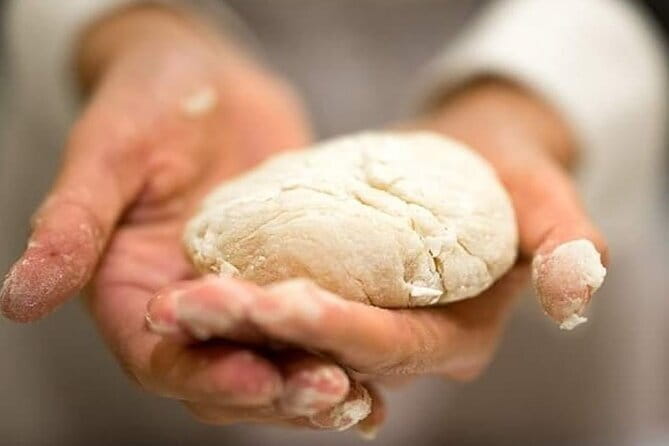
Once the menu is explained, the class shifts from listening to making. You knead, roll, cut and fill, with the chef guiding the process step by step. This is not a demonstration where you watch a cook work while holding a glass of wine. The point is to get your hands into the dough and learn by doing.
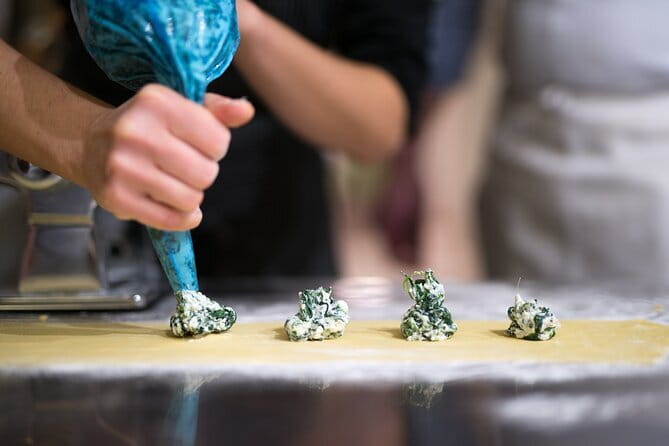
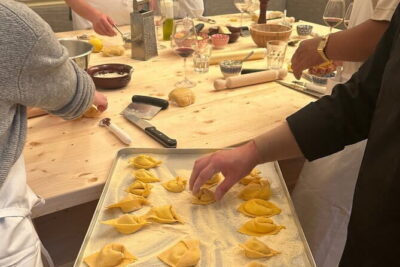
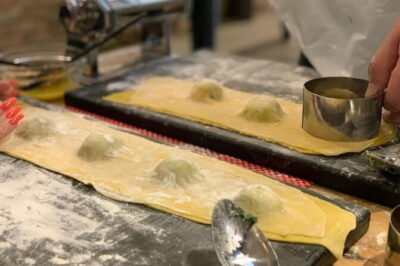
The different pastas give you a useful range of skills. Ravioli introduces filling and sealing. Fettuccine means cutting fresh pasta into strips. Gnocchi brings a different texture and shaping method, using potato. You also help prepare sauces, so the lesson connects each pasta to what goes on the plate.
One especially useful tip mentioned in class accounts is learning what pasta dough should feel like. That kind of cue is more valuable than a recipe alone: flour and moisture can behave differently from one kitchen to another, and a booklet cannot tell you everything your hands can. Instructors have included Francesco, Lino and Livio, though the chef leading your particular session may differ.
The class aims to make the methods manageable for home cooks. You do not need to arrive with pasta-making experience. The recipes and techniques are presented in a group setting, with the chef explaining each stage and participants sharing preparation. If you like learning by trying, correcting and trying again, this format should suit you better than a polished demonstration.
Cooking as a group
The social side is part of the evening. You work alongside other participants, share tasks and trade stories while the food comes together. That can make the class more lively than a private lesson, but it also means you share counter space and the chef’s attention.
The academy lists a maximum of 15 participants. One detailed account described a class of about 24 or 25, arranged at tables of roughly six, with chefs circulating between tables and another staff member helping with cleanup. That difference is worth noting if you are choosing the class for close individual instruction. Ask the provider about the group size for your date rather than assuming every session follows the stated cap.
A larger group can bring a friendly, communal feel, but it may also mean waiting your turn or working as part of a team. The teaching is described as step-by-step, with hands-on preparation at the tables. If you want individual feedback throughout, a smaller group is likely to be more comfortable.
Families may find the activity a welcome change from sightseeing. A 10-year-old was reported to have enjoyed the class, and children have been part of family groups. No minimum age is specified, so ask ahead if you are planning to bring a young child. The class involves several hours of cooking and eating, which is a better fit for a child who enjoys kitchen tasks than one who would rather sit still.
More pasta making classes in Florence:
- Pastamania – Florence Pasta Making Class
★ 5.0 · 3,050 reviews - Florence: Pasta Class with Wine, Limoncello and Dessert
★ 4.9 · 674 reviews - Florence: Countryside Tour with Wine Tasting & Pasta Class
★ 4.9 · 546 reviews - Florence Small-Group Pasta Class with Seasonal Ingredients
★ 5.0 · 532 reviews
Sitting down to eat what you made
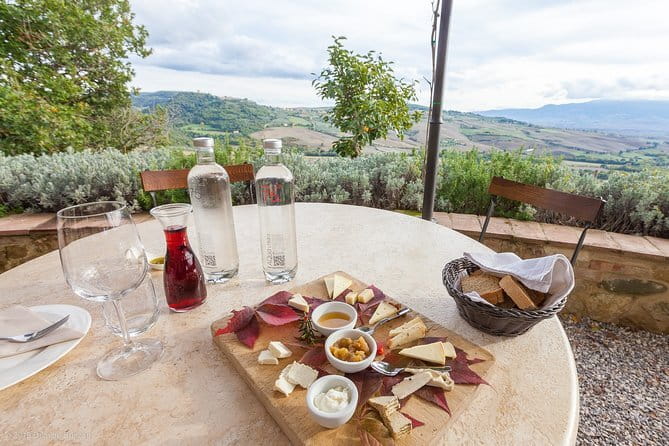
After the pasta and sauces are prepared, the chefs cook the dishes and serve them for a shared meal. Participants may help clean up while the food is being finished, then sit down together. It is a satisfying end to the work: instead of leaving with a small sample, you eat the menu you have helped create.
The meal may include several courses of pasta, dessert and Tuscan wine. Class accounts describe red wine and, in some cases, prosecco, but the stated experience specifically includes young Tuscan wine. Don’t count on a particular bottle or selection unless the academy confirms it. The value is in having the meal and wine included, not in treating the evening as a wine tasting.
The food also offers a direct way to compare fresh pasta with the versions you have eaten around Florence. You can see how the dough, filling and sauce work together, then decide which technique you want to repeat at home. For many people, the meal is the evening’s reward; for a keen cook, it is also the chance to test what you have learned.
Recipes, language and what is included
At the end, you receive a booklet with the recipes prepared in class. That makes the experience more useful after your trip. You can revisit the proportions and steps instead of relying on memory, though the class also gives you practical cues that written instructions may not capture.
The stated languages are English and Italian. German or Spanish may be possible if a chef who can teach in that language is available for that particular session. If you need one of those languages, confirm before booking rather than assuming it will be offered.
The price is $69.93 per person, and the class information says everything is included, with no further expenses. For three and a half hours of instruction, several pasta preparations, sauces, dessert, a meal, wine and a recipe booklet, that is a reasonable package. You are paying not just for dinner, but for guided practice and recipes you can use later.
There is a mobile ticket, and confirmation is received at booking. The activity is near public transportation, though the exact route and travel time will depend on where you are staying. It is booked, on average, 33 days ahead, which suggests planning early is sensible, especially if your Florence dates are fixed.
Who should book this class
I’d choose this class if you want a social evening with real participation, enjoy trying food with your own hands, or want a practical cooking memory to take home. It is particularly suited to couples, families with children who like kitchen activities, and anyone curious about making fresh pasta without needing prior experience.
It is less ideal if you want an intimate, one-on-one lesson, have a tight evening schedule, or need guaranteed dietary accommodations that have not been confirmed. The class covers several dishes, so its pace may feel busy, especially if the group is larger than expected. If that is a concern, ask about the size and menu before you commit.
The cancellation terms allow a full refund if you cancel at least 24 hours before the start time. Changes made within 24 hours are not accepted, and late cancellations are not refunded. If the minimum number of participants is not met and the class is canceled, you are offered another date or experience, or a full refund.
Should you book it?
Book it if you want to spend an evening making ravioli, gnocchi and fettuccine, then sitting down to eat them with wine and a recipe booklet in hand. The mix of practical instruction, generous food and a shared table makes the price feel fair. Before booking, confirm the group size and any dietary needs that matter to you. If you prefer a quiet, highly individual class, this may not be the right fit.
FAQ
How long does the pasta class last?
It lasts about three hours and 30 minutes.
Where does the class meet?
It meets at Chefactory Cooking Academy, Via Camillo Cavour 178/180/182 Rosso, 50129 Florence. The activity ends back at the meeting point.
What pasta will I make?
The menu includes fresh pasta, ravioli and potato gnocchi. A sample menu includes ricotta and spinach ravioli, gnocchi and fettuccine, though sauces and dishes can vary with seasonal products.
Is the class hands-on?
Yes. You knead, cut, fill and prepare pasta and help make the sauces. It is not a demonstration-only class.
Which languages are available?
The listed languages are English and Italian. German and Spanish may be available if a chef who speaks that language is available for the session.
Are food and wine included in the price?
Yes. The class information says everything is included with no further expenses, and the experience includes a meal, young Tuscan wine and dessert.
What is the cancellation policy?
You can cancel at least 24 hours before the start time for a full refund. Cancellations or changes made less than 24 hours before the start time are not accepted for a refund or change.
More hands-on workshops in Florence
- Cooking Class and Lunch at a Tuscan Farmhouse with Local Market Tour from Florence
★ 5.0 · 4,831 reviews - Florence Cooking Class The Art of Making Gelato & Authentic Pizza
★ 5.0 · 2,053 reviews - Small Group Cooking Class & Market Food Tour in Florence
★ 5.0 · 1,574 reviews - Florence: Pizza and Gelato Preparation Class
★ 4.8 · 1,143 reviews
More pasta experiences in Florence
- Florence: Pasta Cooking Class with Unlimited Wine
★ 5.0 · 6,413 reviews - Florence: Cooking Class Pasta & Tiramisu Making Unlimited Wine
★ 5.0 · 2,234 reviews - Florence: Handmade Pasta & Dessert Class with Unlimited Wine
★ 4.8 · 788 reviews - Florence: Premium Cooking Class for Pasta and Gelato
★ 4.9 · 695 reviews
Fresh reviews from Florence
- From Florence: Explore Venice in a Full Day Tour by Train★ 4.1 · 9 reviews
- From Florence to Venice: A Day Trip to the Floating City★ 4.5 · 90 reviews
- Private Tour from Florence: Venice Full Day Tour by Train★ 3.5 · 8 reviews
- Skip the Line: Medici Chapels Ticket in Florence★ 3.5 · 58 reviews
- Private Pisa and Lucca Wine Tour from Florence★ 5.0 · 25 reviews
- Florence: Private Photoshoot at Piazzale Michelangelo★ 4.9 · 74 reviews
- Outlets: The Mall Tour From Florence★ 4.9 · 6 reviews
- Private Coffee and Sweets Tour Caffé, Chocolate, Gelato & More★ 5.0 · 20 reviews
Florence Cooking Classes, compared.
Florence Pizza or Pasta Class with Gelato Making at a Tuscan Farm
Read our review →
Cooking Class and Lunch at a Tuscan Farmhouse with Local Market Tour from Florence
Read our review →
Cooking Class Pasta & Tiramisu Making Unlimited Wine
Read our review →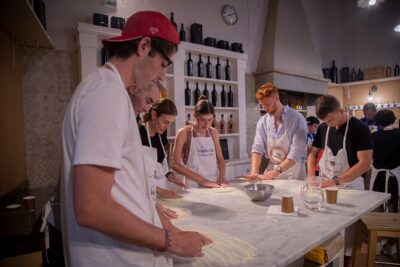
Florence Cooking Class The Art of Making Gelato & Authentic Pizza
Read our review →
Small Group Cooking Class & Market Food Tour in Florence
Read our review →
Browse the lists this tour appears in